
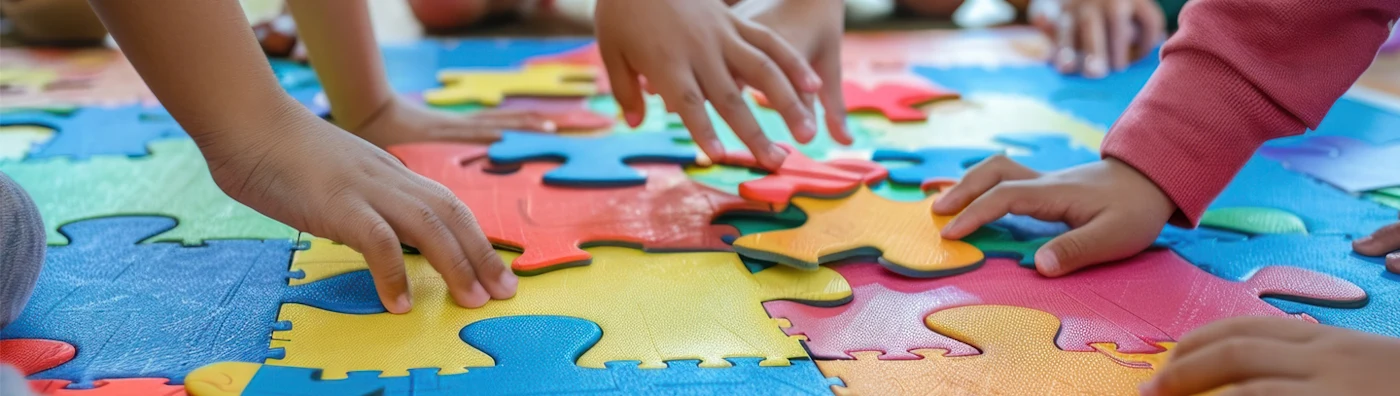
Finger injuries are one of the most common yet preventable injuries in childcare centers and schools. According to the U.S. Consumer Product Safety Commission, over 40,000 children receive emergency treatment for finger injuries each year, many of which occur in educational settings. These injuries can range from minor cuts and bruises to severe fractures and amputations, leading to significant pain, medical costs, and even long-term disability. As risk managers, owners, and employees of childcare centers and schools, it is crucial to understand the risks associated with finger injuries and implement effective prevention strategies.
Understanding Risks Associated with Finger Injuries
Finger injuries can occur in a variety of ways within schools and childcare centers. The most common causes include:
Doors and Hinges: Children often get their fingers caught in doors, especially heavy ones with automatic closers. A rapidly closing door can exert forces of up to 40 pounds at the hinge area, enough to cause injuries ranging from bruising and cuts to severe fractures and even amputations.
Playground Equipment: Slides, swings, and climbing frames can pose a risk if not properly maintained or if children are not supervised. Injuries can include dislocations, fractures, and severe cuts.
Furniture and Classroom Equipment: Desks, chairs, and storage units can also be hazardous if they have sharp edges or are not correctly positioned. Common injuries include pinched fingers, cuts, and bruises.
These injuries are particularly dangerous because children's bones and tissues are still developing, making them more susceptible to severe damage. Additionally, finger injuries can lead to significant emotional trauma for young children, affecting their confidence and willingness to participate in activities.
Preventing Finger Injuries in Childcare Centers and Schools
Preventing finger injuries requires a combination of proactive measures, education, and vigilant supervision. Here are some key strategies to implement:
Door Safety Devices:
Finger Guards: Install finger guards on doors and hinges to prevent fingers from getting caught. Examples include the FingerKeeper and Safehinge.
Door Stops and Closers: Use door stops and door closers designed to close slowly, reducing the risk of injury.
Playground Safety: Ensure all playground equipment is regularly inspected and maintained. Use age-appropriate equipment and provide adequate supervision during playtime. Soft surfacing materials around playground equipment can also reduce the risks associated with finger injuries.
Furniture and Equipment Checks: Regularly inspect classroom furniture and equipment for sharp edges and potential hazards. Ensure that heavy items are secured and all furniture is positioned to minimize risk.
Staff Training: Train staff to recognize potential hazards and respond quickly to prevent finger injuries. Ensure they understand the importance of supervision and maintaining a safe environment.
Conclusion
Finger injuries are a significant risk in childcare centers and schools, but they are largely preventable with the right measures in place. By understanding the risks and implementing effective safety strategies, we can protect children from these painful and potentially debilitating injuries. Investing in door safety devices, maintaining playground equipment, conducting regular inspections, and providing safety education are essential steps toward creating a safer environment for children. As risk managers, owners, and employees of childcare centers and schools, it is our responsibility to prioritize the safety and well-being of the children in our care. By doing so, we not only prevent injuries but also create a nurturing and secure environment where children can learn and grow with confidence.
For more information on partnering with PHLY's Risk Management Services team and accessing the resources they offer to PHLY policyholders, visit PHLY.com/RMS.