
Ninety-nine percent (99%) of the world's population lives in places where air quality levels exceed World Health Organization (WHO) limits for pollutants, with 7 million deaths per year linked to exposure to outdoor air pollution. Although those numbers are staggering, it may surprise you to learn that indoor air pollution and indoor air quality can be deadly, too.
The United States Environmental Protection Agency (EPA) finds that human exposure to indoor pollutants such as smoke, fuels, and mold is two to five times higher than outdoor exposure levels. As of 2019, WHO reports that 2.31 million deaths per year are linked to exposure to indoor air pollution and that it's also a risk factor for people with heart disease, pneumonia, stroke, diabetes, and lung cancer.
The costs of indoor air pollution are equally astonishing: It's estimated that $22.4 billion is spent annually in the United States on illness due to mold exposure, according to an article published in the Journal of Environmental and Public Health. It's clear that mold and indoor air quality are significant health risks in many places where we live, sleep, and plays particularly in habitational buildings such as apartments, condominiums, and low-income housing/homes. However, they are also a source of big financial liability and risk.
Understanding the Risk of Mold, Indoor Air Quality, and Habitational Property Liability
When mold is present where we live, it not only causes damage to our health but also to our surroundings. Mold removal and medical treatment are necessary to assure a safe residence, promote good health, and reduce the financial risk of litigation.
What is Mold?
Mold is a naturally-occurring fungus that can be found almost everywhere. There are around 100,000 species of mold, although some believe there are three times as many. Invisible to the naked eye, mold floats through outdoor and indoor air and easily infiltrates buildings. Mold needs only moisture and something to "eat" (building content or materials such as wood, paper, carpet, foods, drywall, furniture, etc.) to spread and colonize.
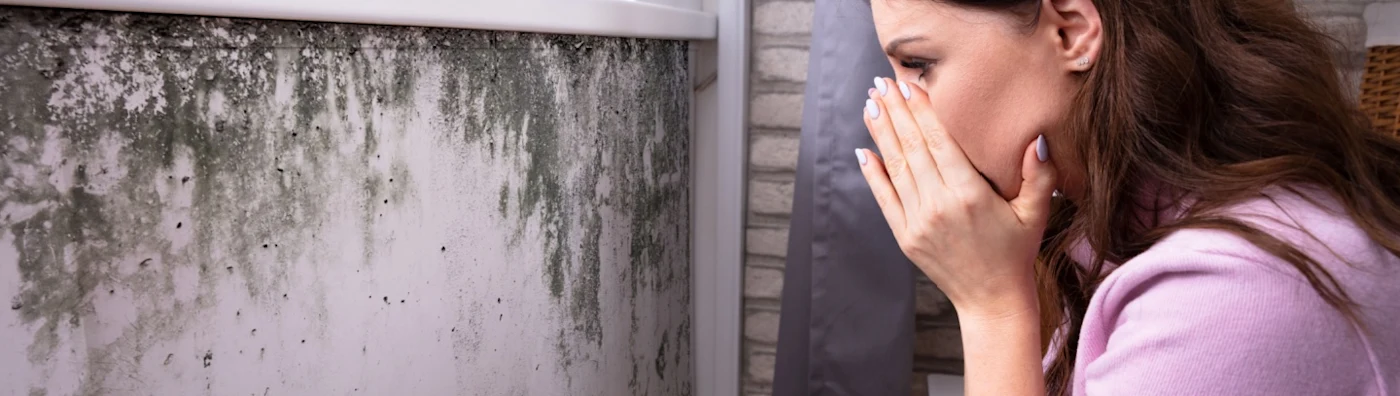
Molds have a variety of forms, textures, and colors and may look like discoloration or a stain on the surface. They may also take on a fuzzy or rough appearance, depending on the location.
What Kinds of Mold Liability Insurance Claims Are There?
Mold is a significant concern when discussing habitational indoor air quality exposures and risks. Insurers have seen an increase in frequency and severity of claims from mold exposures from both owners and tenants of habitational properties. These claims include bodily injury, property damage, remediation (cleanup costs), legal expenses, and defense costs. Here are two large claims examples:
Mold Liability: $1.25+ million
Tenants of an apartment complex alleged that mold exposure impaired their ability to function. Bodily injury claims included headaches, inability to concentrate, and difficulty breathing. The tenant filed a lawsuit. Defense costs were more than $1 million, and the settlement costs were more than $250,000.Mold Liability: $10 million
Due to mold exposure in a family's apartment, a child suffered an asthma attack and could not breathe. The child was left with brain injuries due to a lack of oxygen. The apartment had a severe mold infestation that the property manager ignored despite months of complaints. The family sued the owner due to the child's bodily injury. The suit settled for $9 million, and more than $1 million was incurred in legal expenses.
What Kinds of Mold Insurance Exposures Are There?
can help property owners mitigate their exposures to mold. Claims and loss can arise from a variety of sources (such as those noted above) through these liability routes, all with associated legal expenses and defenses for investigation of allegations to prove negligence or fault on behalf of the accused party:
Remediation (cleanup costs): Mold can easily spread to entire buildings through heating, ventilation, and air conditioning (HVAC) systems. It often hides behind drywall or above ceilings due to long-term leaks or unnoticed water exposure. Remediation often requires costly professional services that meet governmental guidelines for certification (i.e. certified industrial hygienists) to ensure proper and complete remediation.
Bodily Injury: Mold exposures can cause or exacerbate allergic reactions, asthma, or other respiratory complaints. These can also include irritation of the eyes, skin, nose, throat, and lungs, manifesting as hay fever-like symptoms such as sneezing, runny nose, red eyes, and skin rashes. When mold is present in areas where people sleep, live, eat, and play, the effects of mold exposure on a daily and aggregated basis can cause severe bodily injury (especially in sensitive populations such as the elderly and young children).
Property Damage: Mold may settle onto a variety of building materials and content and gradually destroy the things upon which they grow. Once mold has affected the item (such as furnishing or drywall), often the only remedy is to completely remove the mold-contaminated surfaces. This can result in significant costs for the replacement of property that was damaged.
In each of these exposures, mold insurance coverage and other risk management protocols and procedures for inhibiting mold growth can assist owners and operators of habitational properties in managing their mold liabilities.
Breathe Easy With These Mold Risk Management Measures
Controlling moisture is the best way to control mold growth. Make sure to:
Fix all water problems or leaks immediately by properly cleaning and drying building materials and furnishings within 24-48 hours to prevent mold growth.
Reduce indoor humidity with proper venting outside of bathrooms, dryers, and other moisture-generating sources, along with the use of air conditioners and dehumidifiers.
Also, make sure to have the right mold insurance coverage in place. Philadelphia Insurance Companies' suite of environmental coverages is Rated (A++ XV) Superior by AM Best. Plus, PHLY has top-rated customer service and experienced underwriters and claims professionals who understand mold liability.
If you or your client have questions about mold and habitational property liability, please don't hesitate to contact PHLY today.
Written by Jamie Langes, Vice President & Environmental Underwriting Officer for PHLY E&S, to help educate on protections and liabilities for indoor air quality. The information contained herein is for discussions and informational purposes and is not intended to be full disclosure or complete analysis of the liabilities or risks posed to insured(s) in the marketplace. For additional resources and information, please visit the following websites:
https://www.epa.gov/indoor-air-quality-iaq